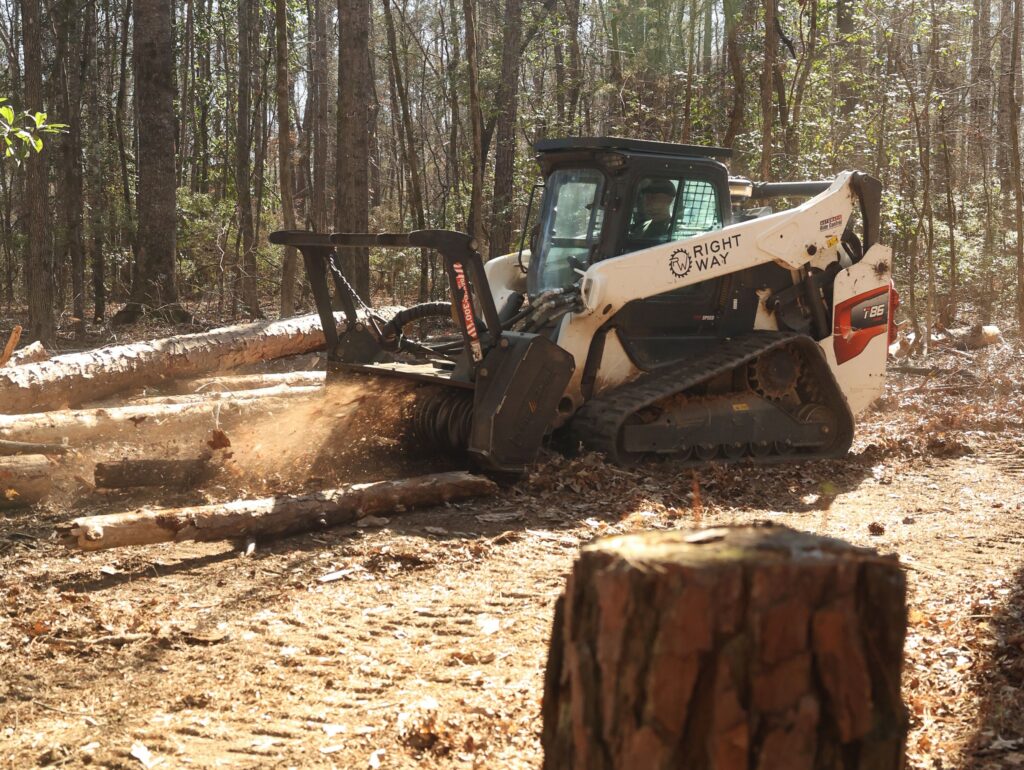
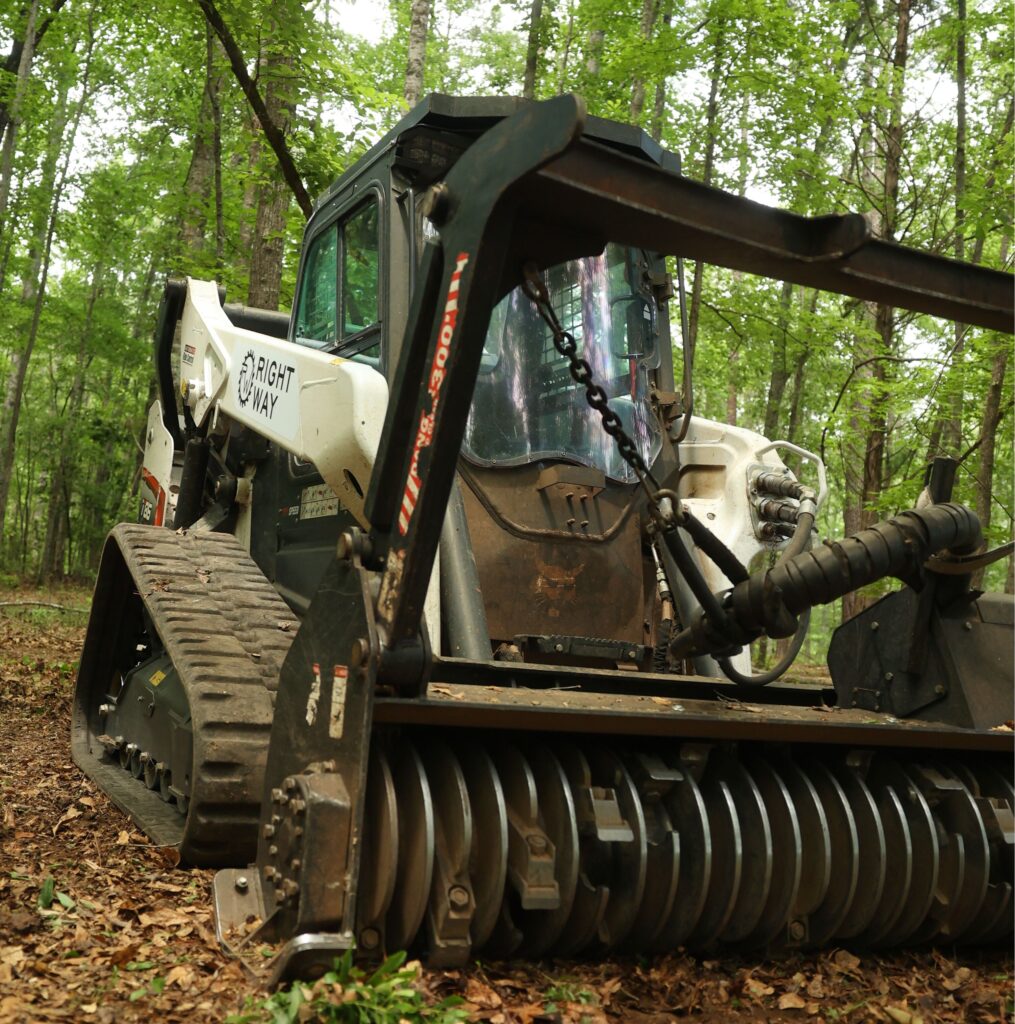
Forestry mulching is the process of grinding trees, brush, vines, and vegetation into mulch using specialized equipment. The mulch is left on the ground as a protective layer that helps reduce erosion and return nutrients to the soil.
Forestry mulching typically removes vegetation while leaving root systems and soil largely undisturbed. Traditional land clearing removes vegetation, stumps, roots, and debris to prepare a site for construction, development, farming, or other uses.
It depends on your goals:
Small stumps can often be mulched close to ground level. Larger stumps typically require dedicated stump grinding or excavation if complete removal is desired.
Very little compared to conventional clearing methods. This makes it an excellent option for steep slopes, creek banks, lake fronts, and erosion-sensitive areas.
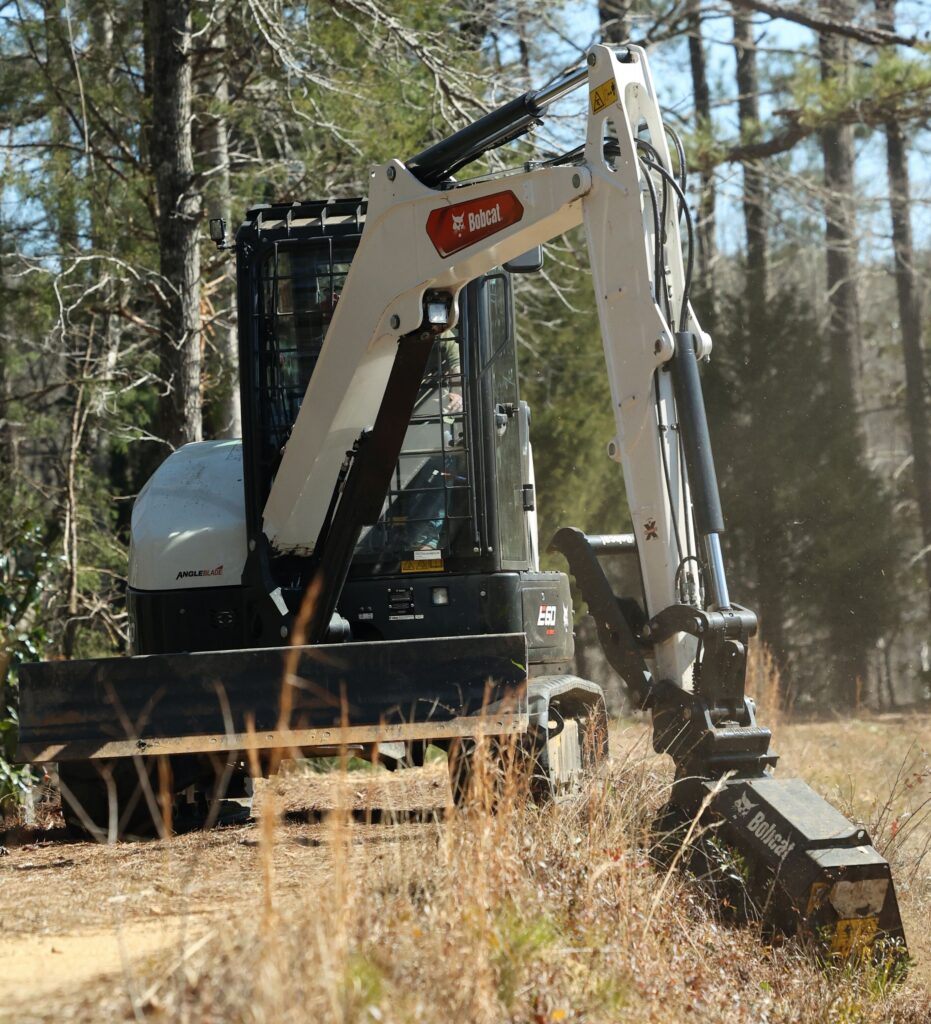
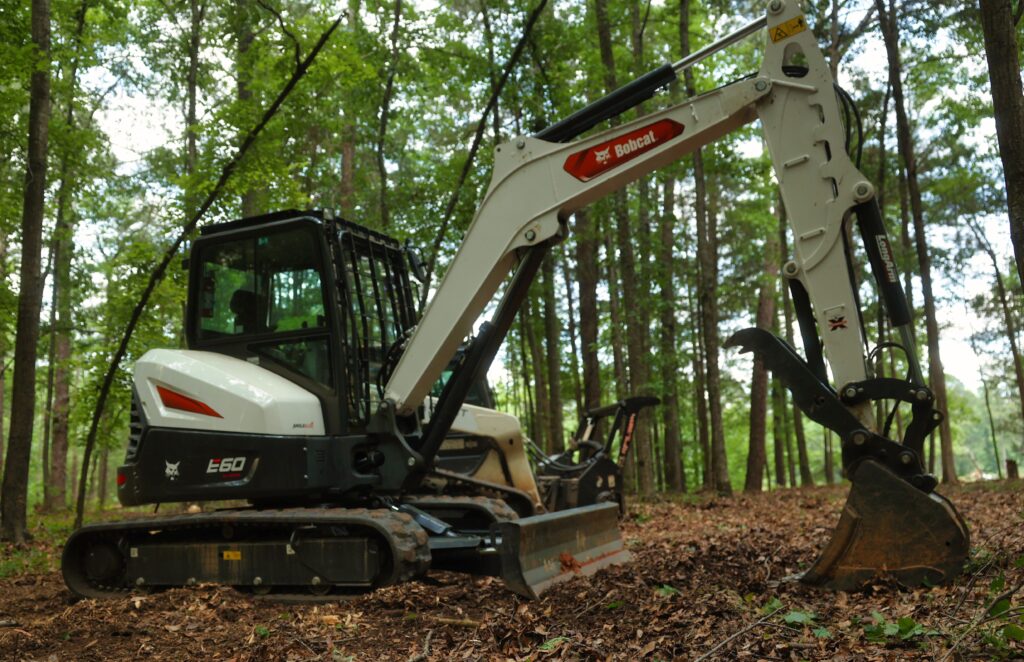
The material is processed into mulch and spread across the ground. This eliminates burn piles, reduces hauling costs, and helps prevent erosion.
Yes. Forestry mulching allows for selective clearing, meaning desirable trees can remain while unwanted vegetation is removed.
We can. Depending on the project, debris can be mulched on-site, hauled off, burned where permitted, or a combination of these methods.
Most projects can be completed much faster than traditional clearing methods because vegetation is processed in place rather than cut, piled, loaded, and hauled away.
Yes. Removing invasive species and thick undergrowth can improve access, visibility, forage growth, and habitat conditions for wildlife.
Some vegetation may regrow over time depending on species and site conditions. Forestry mulching significantly reduces overgrowth, but maintenance intervals vary by property.
In many cases, yes. Because there is less labor, hauling, and disposal involved, forestry mulching is often a more cost-effective solution for vegetation management.
Usually, yes. If a building pad, driveway, septic system, or foundation is planned, traditional land clearing and grading are often required to remove stumps, roots, and organic material.
Yes. Specialized equipment allows us to safely clear vegetation around ponds, lake banks, retention ponds, drainage swales, and difficult-to-access areas.
Right Way Vegetation Solutions serves Georgia and Alabama, providing forestry mulching, land clearing, stump grinding, tree removal, and storm recovery services.
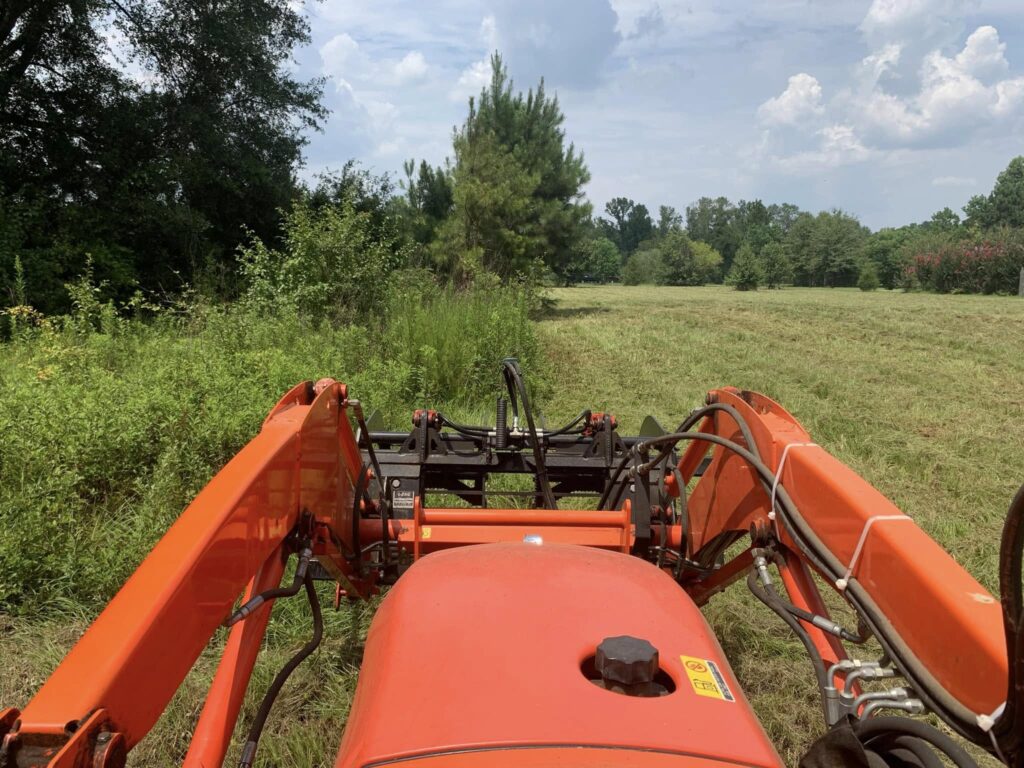
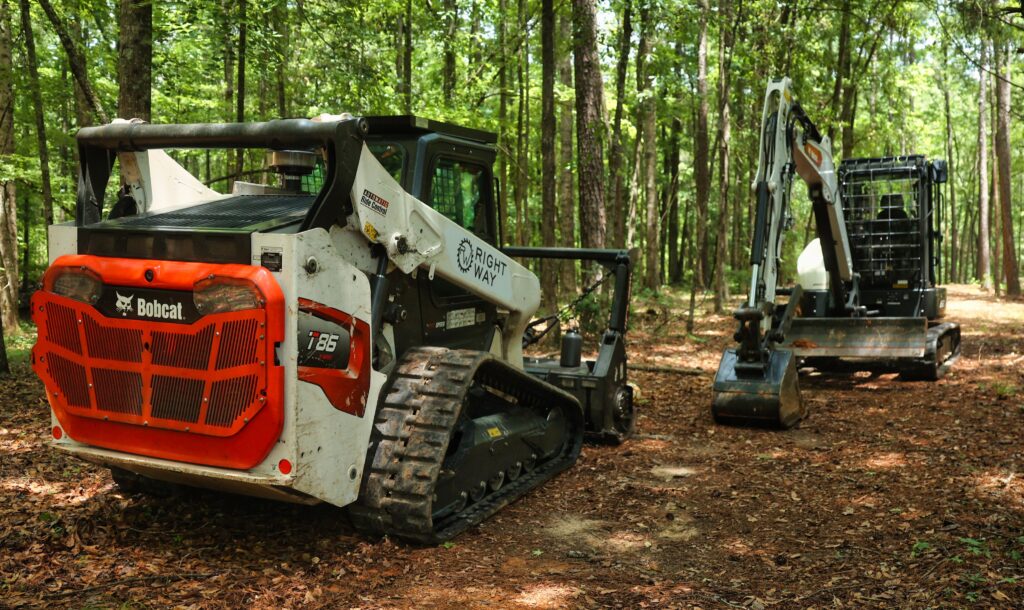
Stump grinding is the process of mechanically grinding a tree stump below ground level using specialized equipment. The visible stump is removed while minimizing disturbance to the surrounding property.
Most stumps are ground 6–12 inches below grade, which is sufficient for grass, landscaping, and normal property use. Additional depth can be provided if needed for construction or other projects.
Stump grinding removes the stump itself but does not remove the entire root system. Most roots naturally decompose underground over time.
Most tree species will not regrow after the stump is properly ground. However, some species can produce sprouts from remaining roots, which can usually be controlled easily.
Grinding creates a mixture of wood chips and soil. The material can be:
Yes. After grinding, the area can be backfilled with topsoil and seeded or sodded. Some settling may occur as underground roots decompose.
Yes. We can leave the mulch neatly piled, spread it on-site, or haul it away depending on the customer’s preference.
In many cases, yes. We have equipment capable of accessing gates, backyards, and areas with limited access.
Most residential stumps can be completed in less than an hour. Larger stumps or multiple stumps may require additional time.
It depends on the project.
Removing a stump can:
Yes. Surface roots and root flares can often be ground down if they are creating mowing or landscaping issues.
We take precautions to minimize disturbance. Some equipment tracks and minor surface disruption are normal, but stump grinding is far less invasive than full stump excavation.
Property owners should have underground utilities located before grinding. Grinding near unmarked utilities, irrigation systems, septic components, or underground structures may not be possible until they are identified.
Pricing is typically based on:
Yes. We can backfill the stump hole with the grindings or import topsoil for a smoother finished appearance and easier grass establishment.
We’ll answer all your questions and make sure you have the peace of mind you desire. Get a free, no-obligation quote and see why landowners across Harris County keep calling Right Way first.